
info@luxedentalarts.com


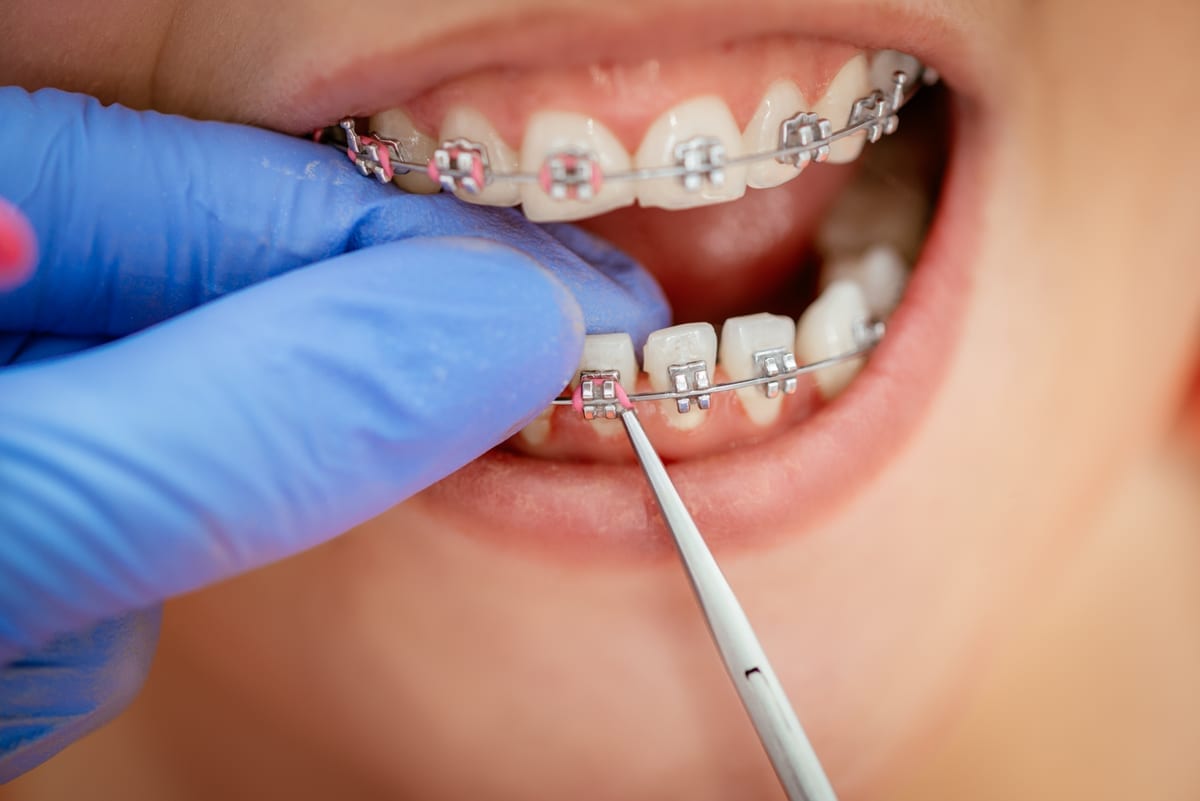
Losing a tooth feels like a manageable problem at first. You adapt, chew on the other side, and tell yourself you’ll deal with it later. But understanding why delaying a dental bridge costs you more than money in Sugar Land can genuinely change how you approach your oral health. The longer a gap stays in your smile, the more your body quietly works against you. Dr. Karishma Sheth at Luxe Dental Arts of Sugar Land sees this pattern regularly — and the consequences are very real.
What Happens to Your Mouth When a Tooth Gap Goes Untreated
Your teeth rely on each other for structural support. When one goes missing, the surrounding teeth begin to shift toward the empty space. This movement is not subtle over time. Within months, neighboring teeth can tilt noticeably, changing how your entire bite comes together.
Your jawbone also begins to deteriorate beneath the gap. Tooth roots stimulate bone tissue every time you chew. Without that stimulation, the bone starts to resorb — meaning it literally shrinks. Bone loss in the jaw can alter your facial shape and make future restorations more complex.
Gum tissue in the gap becomes more vulnerable too. Food particles and bacteria collect easily in open spaces. This raises your risk for gum disease, which is linked to broader health concerns including heart disease and diabetes.
Why Delaying a Dental Bridge in Sugar Land Makes Future Treatment Harder
Acting early keeps your options open. A dental bridge is a relatively straightforward solution when placed in a timely manner. The teeth on either side of the gap — called abutment teeth — need to be healthy enough to anchor the bridge securely.
When you wait, those anchor teeth shift and weaken. Bone loss progresses. What was once a simple bridge placement may require additional procedures to correct damage caused by the delay. This is one of the clearest ways that waiting costs far more than acting now.
Patients sometimes postpone treatment assuming the process will be complicated. In reality, the bridge procedure itself is predictable and well-established. Delaying it is what introduces real complexity.
- Shifting teeth may require orthodontic correction before a bridge can be placed
- Bone loss can eliminate certain restoration options entirely
- Gum disease resulting from an untreated gap may need separate treatment first
- Additional decay in neighboring teeth increases the scope of care needed
- Longer gaps in treatment timelines typically mean more appointments overall
The Physical and Emotional Cost of Living With a Missing Tooth
The practical discomforts add up quickly. Chewing becomes uneven, putting extra stress on the remaining teeth. Over time, this uneven pressure contributes to cracking, chipping, and accelerated wear on teeth that were never meant to carry the full load.
Speech can also be affected depending on where the missing tooth sits. Some patients find themselves self-conscious about certain sounds or words. That self-consciousness spreads — affecting how often people smile, laugh, or speak in social situations.
The emotional dimension is real and worth acknowledging. Many patients describe feeling less confident after tooth loss. This often leads to avoiding social situations or delaying dental appointments out of embarrassment. Dr. Sheth and the team at Luxe Dental Arts create a judgment-free environment for exactly this reason.
If a dental situation has become urgent due to prolonged neglect, Emergency Dentistry Sugar Land services are available to help stabilize your oral health quickly before moving forward with restorative care.
How a Dental Bridge Restores More Than Just Your Smile
A dental bridge replaces a missing tooth — or multiple teeth — using a prosthetic anchored to adjacent natural teeth or implants. It fills the gap, restores bite function, and halts the cascade of problems that begin when a tooth is lost.
The benefits go well beyond aesthetics. Patients who restore missing teeth report improved chewing ability, clearer speech, and greater confidence in social settings. These outcomes directly improve quality of life.
- Restores proper bite alignment and chewing function
- Prevents neighboring teeth from drifting out of position
- Stimulates the surrounding area to slow bone deterioration
- Improves speech clarity affected by tooth loss
- Supports facial structure and prevents a sunken appearance
- Boosts confidence and willingness to smile openly
For patients interested in how bridges fit into a broader smile transformation, Cosmetic Dentistry Sugar Land options at Luxe Dental Arts can be explored as part of a comprehensive treatment plan.
What to Expect When You Visit Luxe Dental Arts of Sugar Land
Getting a dental bridge starts with a thorough evaluation. Dr. Sheth will examine your remaining teeth, assess bone health, and discuss which type of bridge best fits your situation. The process is collaborative — you will understand every step before anything begins.
Most bridge placements involve two to three appointments. The first prepares the abutment teeth and takes impressions. A temporary bridge protects the area while your permanent restoration is crafted. The final appointment seats and adjusts the permanent bridge for a comfortable, natural fit.
With proper care, a dental bridge can last ten to fifteen years or longer. Brushing, flossing with a bridge threader, and regular professional cleanings keep it in excellent condition. The team at Luxe Dental Arts will walk you through every maintenance step.
Taking Action Sooner Protects Your Long-Term Oral Health
Understanding why delaying a dental bridge costs you more than money in Sugar Land is the first step toward making a confident, informed choice. The longer a gap remains untreated, the more your oral health — and your wallet — absorbs the consequences. Bone loss, shifting teeth, gum disease, and eroded confidence are all avoidable with timely care.
Dr. Karishma Sheth and the Luxe Dental Arts of Sugar Land team are here to guide you through every step — from your first evaluation to your final fitting. You deserve a complete, healthy, functional smile. Book Now to schedule your appointment with our team.
Frequently Asked Questions
How long can I wait before getting a dental bridge?
There is no universal deadline, but waiting even a few months allows bone loss and tooth shifting to begin. The sooner you address a missing tooth, the simpler and more effective the restoration process tends to be. Dr. Sheth recommends scheduling a consultation as soon as possible after tooth loss.
Is a dental bridge painful to get?
The procedure is performed with local anesthesia, so you should feel little to no discomfort during treatment. Some patients experience mild sensitivity afterward, which typically resolves within a few days. The Luxe Dental Arts team will ensure you are comfortable throughout every stage of the process.
How is a dental bridge different from a dental implant?
A dental bridge spans the gap using the neighboring teeth as anchors. A dental implant is a standalone post placed directly into the jawbone. Both are effective options, and the best choice depends on your bone health, the number of missing teeth, and your overall treatment goals. Dr. Sheth will help you compare both during your consultation.
How do I care for my dental bridge at home?
Daily brushing and flossing are essential. A bridge threader or water flosser helps clean beneath the bridge where a regular floss thread cannot easily reach. Routine professional cleanings at Luxe Dental Arts also help maintain the bridge and the surrounding gum tissue for long-term durability.
Can a dental bridge affect the way I speak or eat?
Most patients find that a bridge actually improves both speech and chewing compared to living with a gap. There is a brief adjustment period as your mouth adapts to the restoration. Within a short time, most patients report that eating and speaking feel completely natural again.