18318 University Blvd #500, Sugar Land, TX 77479


Getting a good night’s sleep sounds simple. For millions of Americans dealing with undiagnosed sleep apnea, it’s anything but.
The traditional path to diagnosis — scheduling a sleep study at a lab, sleeping in an unfamiliar bed with sensors attached to your body while a technician monitors you from another room — kept many people from ever getting tested. The process felt clinical, inconvenient, and honestly, a little intimidating.
That’s changed. At Luxe Dental Arts in Sugar Land, home sleep testing has become a central part of how patients move from “I’m always exhausted” to actually doing something about it.
What Home Sleep Testing Actually Is
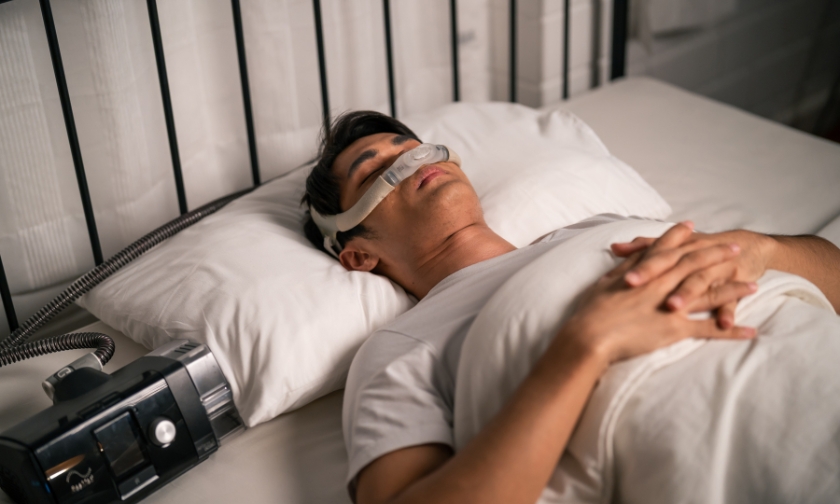
A home sleep test (HST) is a portable, clinician-prescribed diagnostic tool that records key physiological data while you sleep in your own bed. It measures things like:
- Oxygen saturation levels (how well your blood is carrying oxygen through the night)
- Airflow through your nose and mouth
- Respiratory effort — whether your chest and abdomen are working harder than they should
- Heart rate patterns
- Sleep position, in many devices
The data collected provides a qualified provider with sufficient clinical information to determine whether obstructive sleep apnea is present and how severe it may be. A board-certified sleep physician interprets the results, which then informs your treatment plan.
It’s not a guess. It’s a real diagnostic process — just done on your terms.
Why Sleep Dentistry in Sugar Land Is Embracing This Approach
For patients in Sugar Land and surrounding communities like First Colony, Riverstone, and Missouri City, the appeal of home sleep testing is straightforward: it removes the biggest barriers to getting diagnosed.
No overnight lab stays. No rearranging your schedule around a sleep center’s availability. No trying to fall asleep somewhere unfamiliar under fluorescent lighting.
Sleep dentistry in Sugar Land has evolved to meet patients where they are — literally. The HST device is compact, easy to use, and typically involves minimal setup. Most patients have no trouble operating it independently after a brief walkthrough from the Luxe Dental Arts team.
According to the American Academy of Sleep Medicine, home sleep testing is a validated, clinically appropriate option for diagnosing moderate-to-severe obstructive sleep apnea in adults without significant comorbidities. That’s not a workaround — it’s a well-established clinical standard.
How the Process Works at Luxe Dental Arts
Step 1: Initial Consultation
Everything starts with a conversation. Dr. Sheth reviews your sleep history, symptoms, and overall health picture. She’ll ask about snoring, daytime fatigue, morning headaches, and whether a partner has noticed pauses in your breathing — all clinical indicators worth tracking.
Step 2: Receiving Your Home Sleep Test Device
If you’re a good candidate for HST, the device is provided directly through the practice. The team walks you through exactly how to wear and operate it. Most devices are worn over one or two nights to capture reliable data.
Step 3: Results and Physician Review
Once you return the device, the recorded data goes to a board-certified sleep physician for interpretation. This step is critical — results aren’t self-interpreted. You get a proper clinical read, not a consumer app estimate.
Step 4: Treatment Planning
If obstructive sleep apnea is confirmed, Dr. Sheth works with you on the next steps. For many patients, that means custom oral appliance therapy — a comfortable, non-invasive alternative to CPAP that repositions the jaw to keep the airway open during sleep.
The Signs That Should Prompt You to Act
A lot of people normalize exhaustion. They assume broken sleep is just part of being busy, getting older, or managing stress. But some signs are worth paying closer attention to:
- Waking up feeling unrested even after 7–8 hours of sleep
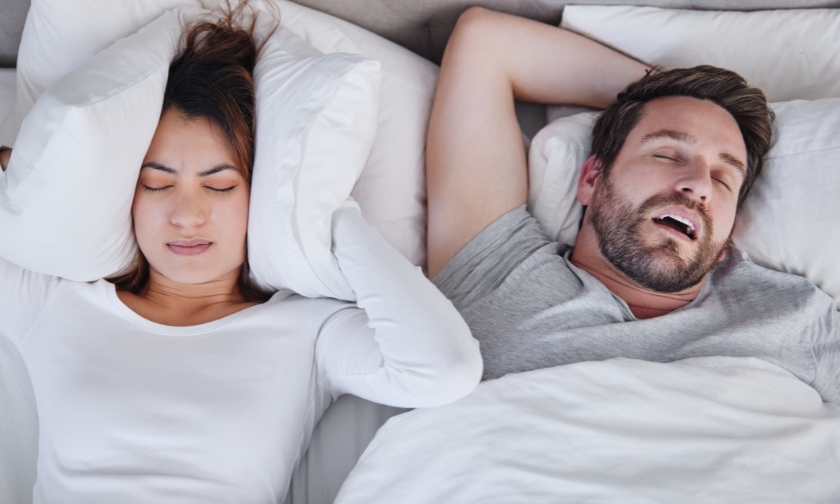
- Loud snoring that disrupts your partner’s sleep
- Dry mouth or sore throat in the morning
- Difficulty staying alert during the day, especially while driving
- Mood changes, irritability, or trouble concentrating
These aren’t just inconveniences. Untreated obstructive sleep apnea is associated with increased risk of hypertension, cardiovascular disease, and type 2 diabetes, according to research published in the American Academy of Sleep Medicine. Sleep is not optional, and neither is treating what’s disrupting it.
The path from poor sleep to better health doesn’t have to run through a sleep lab. Sleep dentistry in Sugar Land at Luxe Dental Arts makes it possible to start that process from your own bedroom.
Contact Luxe Dental Arts today to schedule your consultation. Dr. Sheth and her team are ready to help you figure out what’s happening and what to do about it.